AI-Driven Medical Imaging & Diagnostics Lab

Members

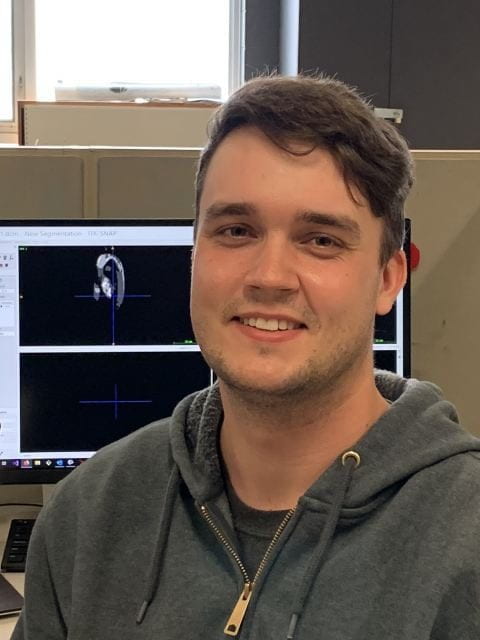
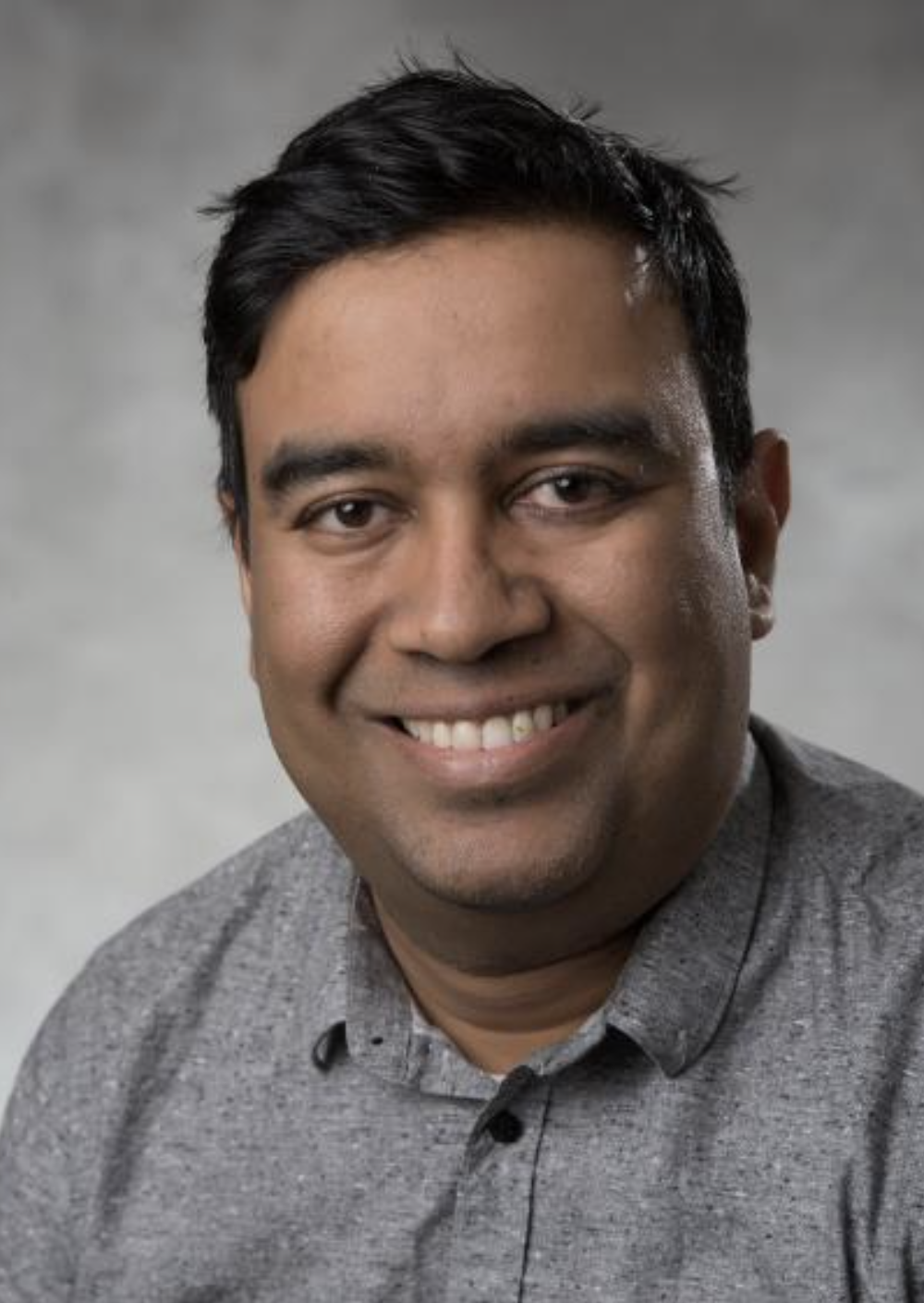
Dr. Eran Ukwatta, PhD, P.Eng.

Dr. Eran Ukwatta, PhD, P.Eng.

Associate Professor

Dr. Eran Ukwatta is an Associate Professor in Biomedical Engineering at the University of Guelph. He joined the University of Guelph as an Assistant Professor in 2018 and was promoted to Associate Professor in 2022. His research focuses on developing robust image analysis methodologies for patient-specific modeling of cardiovascular structure and function, addressing the growing need for precise and individualized computational tools in healthcare. His research interests include machine learning for medical imaging, deep learning, medical image analysis, image segmentation and registration, myocardial tissue characterization, analysis of digital histopathology images, and computational modeling of the heart. Prior to his appointment at Guelph, Dr. Ukwatta served as an Assistant Professor at Carleton University from 2016 to 2018 and continues as an Adjunct Professor there. He also completed a multi-center postdoctoral fellowship in Biomedical Engineering at Johns Hopkins University (2013–2015) and Sunnybrook Research Institute (2014–2015). He was a recipient of the NSERC Postdoctoral Fellowship, JHU BME Centennial Postdoctoral Fellowship, and MITACS Elevate Postdoctoral Fellowship. In addition to his research, he is actively involved in teaching and mentoring students, with expertise in machine learning and biomedical imaging.

Courses

Undergraduate Courses

  • ENGG*4040 Medical Imaging Modalities
  • ENGG*3100 Engineering Design III
  • ENGG*3390 Signal Processing

Graduate Courses

  • ENGG*6302 Image Processing
Zachary Szentimrey

Zachary Szentimrey

PhD Candidate

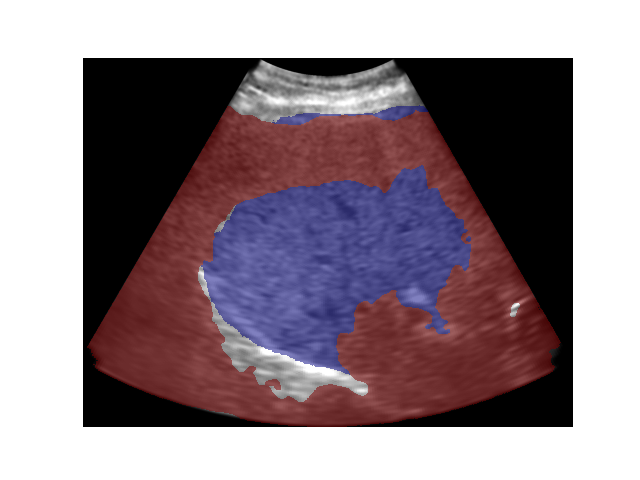
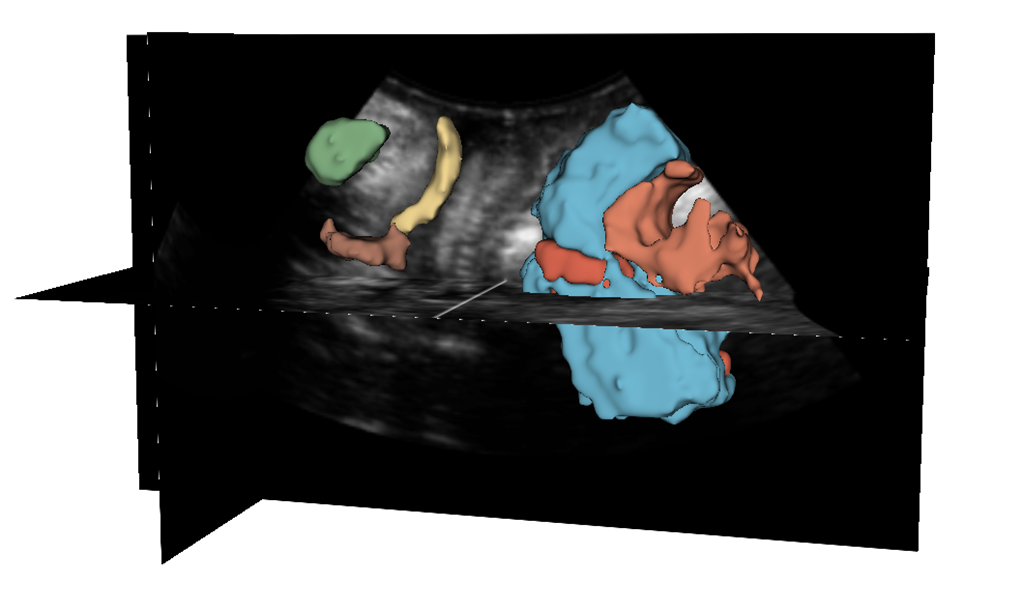
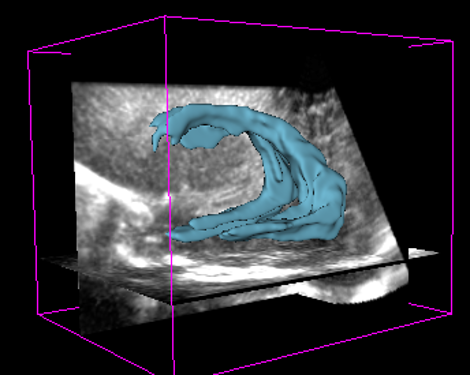
Zachary obtained his undergraduate degree at the University of Guelph in Biomedical Engineering. He completed his MASc at the University of Guelph in 2021 and continued into his PhD. He was always interested in image analysis and signal processing throughout his undergraduate degree and pursued that interest in his graduate work. Zachary’s research currently revolves around identifying organs and regions of interest from ultrasound images. In his MASc, he investigated neonatal intracranial hemorrhage. His project involved developing deep learning models to identify the cerebral ventricles of neonates and evaluate whether hemorrhaging is present. He continued this work into his PhD by developing leaner and more accurate models using semi-supervised learning. He then partnered with Cosm Medical to help build models that identify female pelvic floor anatomical structures and make measurements to help evaluate pelvic floor prolapse. Zachary’s final PhD project included work with Oncoustics (Toronto) to identify fatty liver disease in point-of-care ultrasound images. The team not only segmented liver tissue but also used those segmentations to determine image quality.

Zachary's Research

Zachary Szentimrey research image 1
Zachary Szentimrey research image 2
Zachary Szentimrey research image 3
Mohammadreza Riyazat

Mohammadreza Riyazat

PhD Student

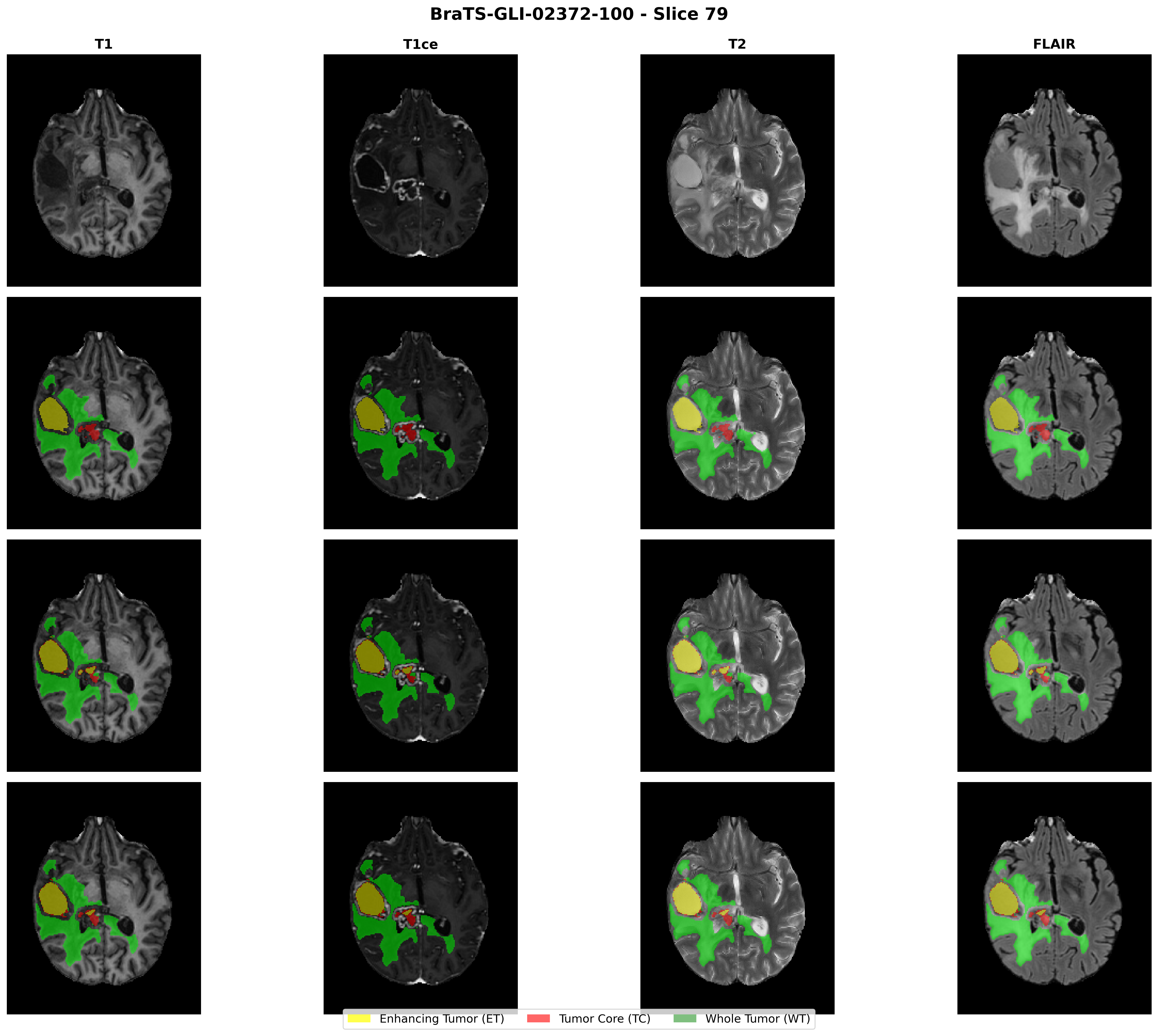
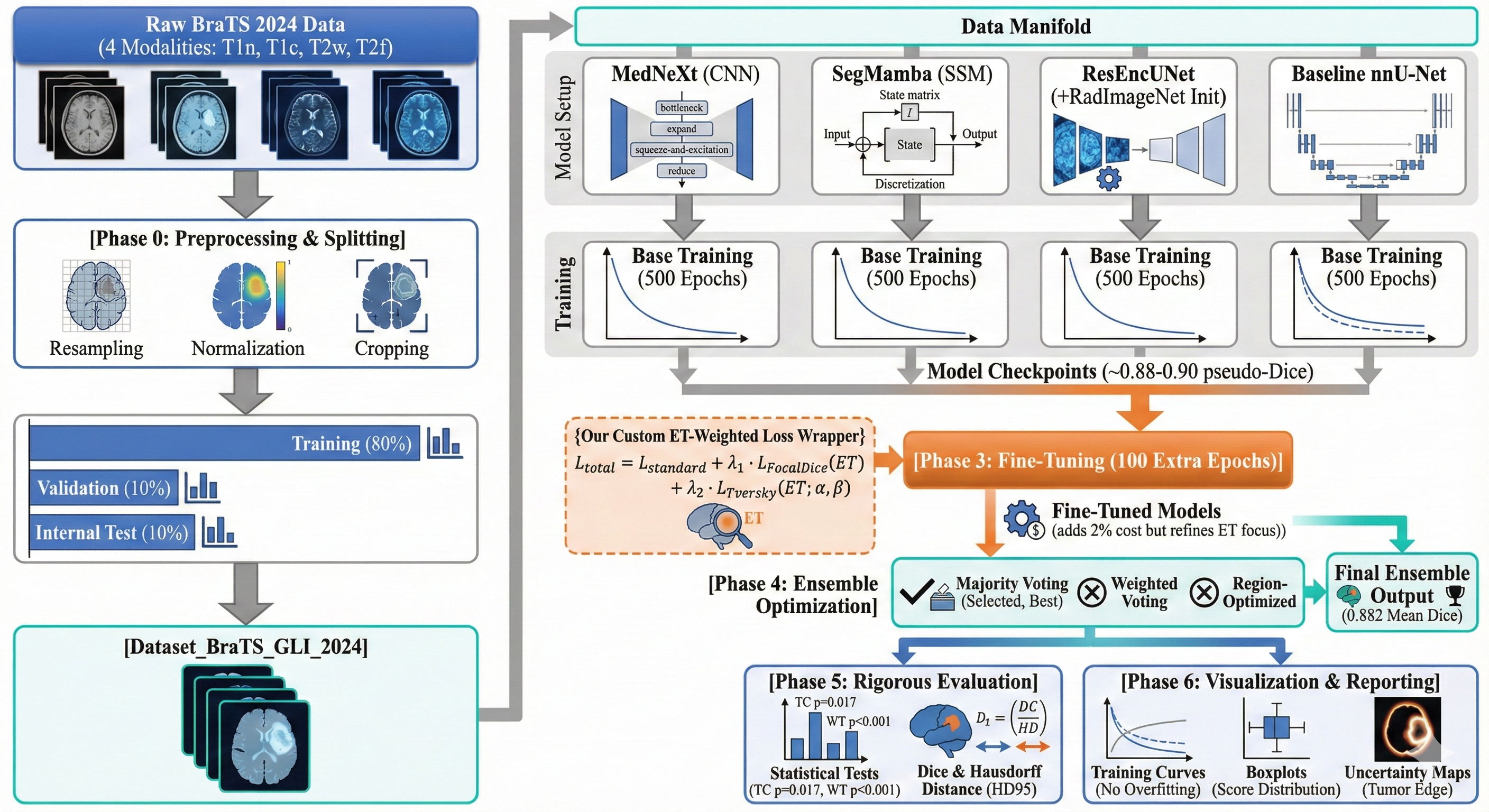
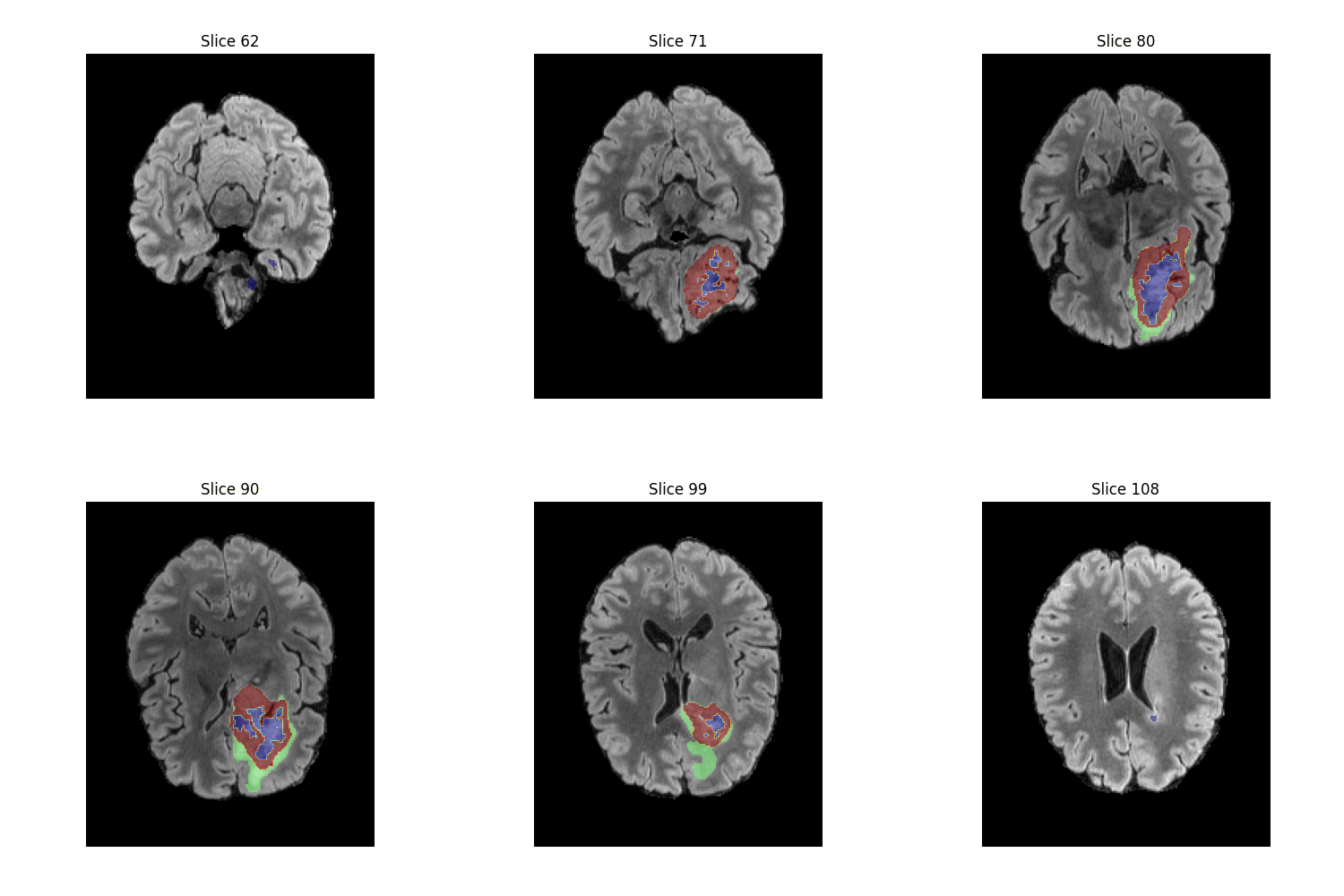
Mohammadreza is an incoming PhD student in Biomedical Engineering at the University of Guelph (starting Fall 2025). He holds an MASc in Systems and Computing from the University of Guelph and an MSc in Electrical Engineering (Control Engineering) from Khajeh Nasir Toosi University of Technology in Iran, along with a BSc in Electrical Engineering (Electronics). With an interdisciplinary foundation spanning control systems, computing, electronics, and medical AI—and a strong, advanced background in mathematics, statistics, and machine learning/deep learning—his work bridges classical systems theory with state-of-the-art computational approaches in medical imaging. During his master’s studies, Mohammadreza conducted research in medical image segmentation with a focus on deep learning, privacy-preserving AI, and clinical robustness. His work included developing a 3D TransUNet-based model for multi-modal brain tumor segmentation—featuring advanced preprocessing, registration-based augmentation, hybrid loss functions, and multi-GPU optimization—which achieved strong performance on the BraTS benchmark. He also built end-to-end centralized, federated, adversarial, and differentially private learning pipelines for MRI brain segmentation using PyTorch, Flower, MONAI, and Opacus. At the University of Guelph, Mohammadreza serves as the College of Engineering Steward for CUPE 3913, representing graduate teaching personnel and supporting members through communications, orientation leadership, and event organization. He also serves as the International Affairs Officer for the Graduate Engineering Student Society (GESS), following his previous role as Vice President (External) for the same organization. Additionally, he works as an AI Developer for the College of Computational, Mathematical, and Physical Sciences, where he developed a Retrieval-Augmented Generation (RAG) chatbot that delivers instant, accurate academic support and transforms complex AI technologies into practical educational tools.

Current Research Project

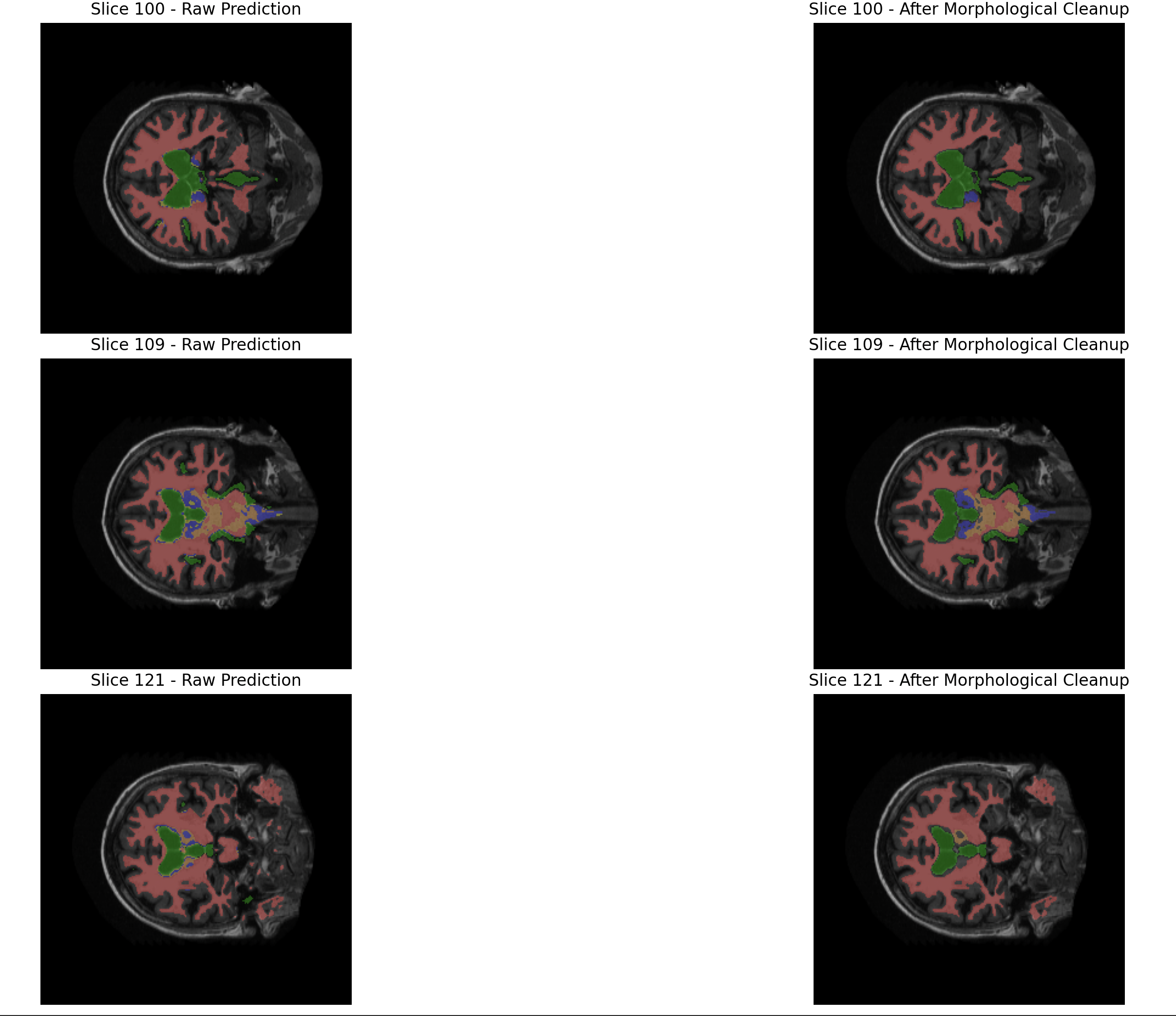
Mohammadreza’s PhD research focuses on a major challenge in veterinary neuroimaging: automatically detecting and segmenting susceptibility artifacts caused by RFID microchip implants in small animals. These microchips often generate severe signal voids, hyperintense rims, and geometric distortions that can make spinal MRI non-diagnostic—especially in the cervical and thoracic regions. In small-breed dogs, when the microchip-to-spinal canal distance is less than 19 mm, evaluation of the spinal cord becomes nearly impossible, leaving clinicians with limited diagnostic options. To address this, he is developing a self-supervised, label-efficient deep learning framework capable of detecting and segmenting these artifact regions directly from routine MRI scans without requiring large annotated datasets. This work represents the first veterinary-specific, label-efficient system for automated metal artifact detection and segmentation, with applications spanning MRI triage, protocol optimization, workflow efficiency, and future artifact-correction pipelines. The framework is designed to generalize across scanners, field strengths, and standard veterinary imaging protocols, ultimately improving diagnostic confidence in small animal medicine.

Mohammadreza's Research

Mohammadreza Riyazat research image 1
Mohammadreza Riyazat research image 2
Mohammadreza Riyazat research image 3
Mohammadreza Riyazat research image 4
Puja Saha

Puja Saha

MASc Student

Puja is a MASc student in Computer Engineering at the University of Guelph, specializing in privacy-preserving AI, federated learning, and 3D medical image segmentation. She is also a Data Scientist at mlHealth360, where she focuses on developing AI technologies to optimize and enhance radiology workflows. During her master’s research, Puja developed an Adaptive Differentially Private Federated Learning (ADP-FL) approach to minimize privacy–utility trade-offs in DP-FL for medical image segmentation. ADP-FL demonstrated substantial improvements across benchmark datasets, including KiTS23, BraTS24, HAM10K, and FeTS24, achieving significant Dice score gains, enhanced convergence stability, and improved learning efficiency compared with conventional DP-FL at the same privacy budget. Evaluation on real institutional datasets such as FeTS24 highlights its potential for collaborative AI development across hospitals while maintaining robustness and supporting sustainable model refinement. At mlHealth360, Puja contributes to the development of the AI-enabled Radiology Assistant by designing deep learning pipelines for X-ray, CT, and MRI data, supporting disease detection and automated report generation to improve efficiency in hospitals. Her research interests include optimization, multimodal AI, decentralized learning, AI security, and generative AI for healthcare.

Puja's Research

Puja Saha research image 1
Zinah Ghulam

Zinah Ghulam

MASc Student

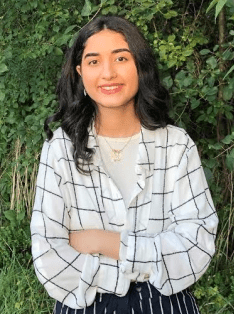
Zinah is a MASc Student in Computer Engineering at the University of Guelph, specializing in AI-driven medical imaging. She is also pursuing the Collaborative Specialization in Artificial Intelligence (CSAI) through the Vector Institute. Her work lies at the intersection of artificial intelligence, radiology, and clinical decision support, with a focus on developing multimodal deep learning systems that can interpret both medical images and text-based reports. She is passionate about designing AI models that align with clinical reasoning and improve diagnostic efficiency. Zinah is particularly interested in interpretable machine learning, multimodal fusion, and medical imaging applications that enhance disease understanding and reporting. Beyond her research, Zinah serves as the President of the Graduate Engineering Student Society (GESS) for the year 2025, where she leads initiatives to strengthen community engagement and professional development among graduate students in the College of Engineering. She also serves as Co-Chair of the Student Committee for the Imaging Network Ontario (ImNO) 2026 conference, helping foster collaboration and knowledge exchange among emerging researchers in medical imaging and healthcare innovation. Outside of academics, she enjoys staying active through walks and runs, baking, volunteering, learning new languages, photography, and exploring local cafés — pursuits that help her maintain a thoughtful balance between leadership, research, and creativity.

Current Research Project

Zinah’s primary research focuses on Multimodal Deep Learning for Severity Assessment in Chest X-Rays Using Radiology Reports. Her work explores how visual and textual information can be jointly modeled to better assess disease severity and improve automated report generation. She is developing a Multimodal Triage Network (MTN) — a deep learning framework that integrates chest X-ray images and corresponding radiology reports to produce diagnostic captions and continuous severity scores. By aligning visual features with clinical language representations, the model aims to provide a more comprehensive and clinically grounded understanding of disease progression. In parallel, Zinah is also contributing to a smart diabetic sock system for foot ulcer prevention, where she is developing a thermal model to optimize sensor placement and improve early detection of ulcer formation. This work combines biomedical engineering, data modeling, and clinical insight to address a critical challenge in diabetic care. Together, her research advances the field of vision-language modeling and sensor-based diagnostics in medical AI, contributing to safer, more transparent, and patient-centered healthcare technologies.

Zinah's Research

Zinah Ghulam research image 1
Aishwarya Ramesh

Aishwarya Ramesh

MASc Student

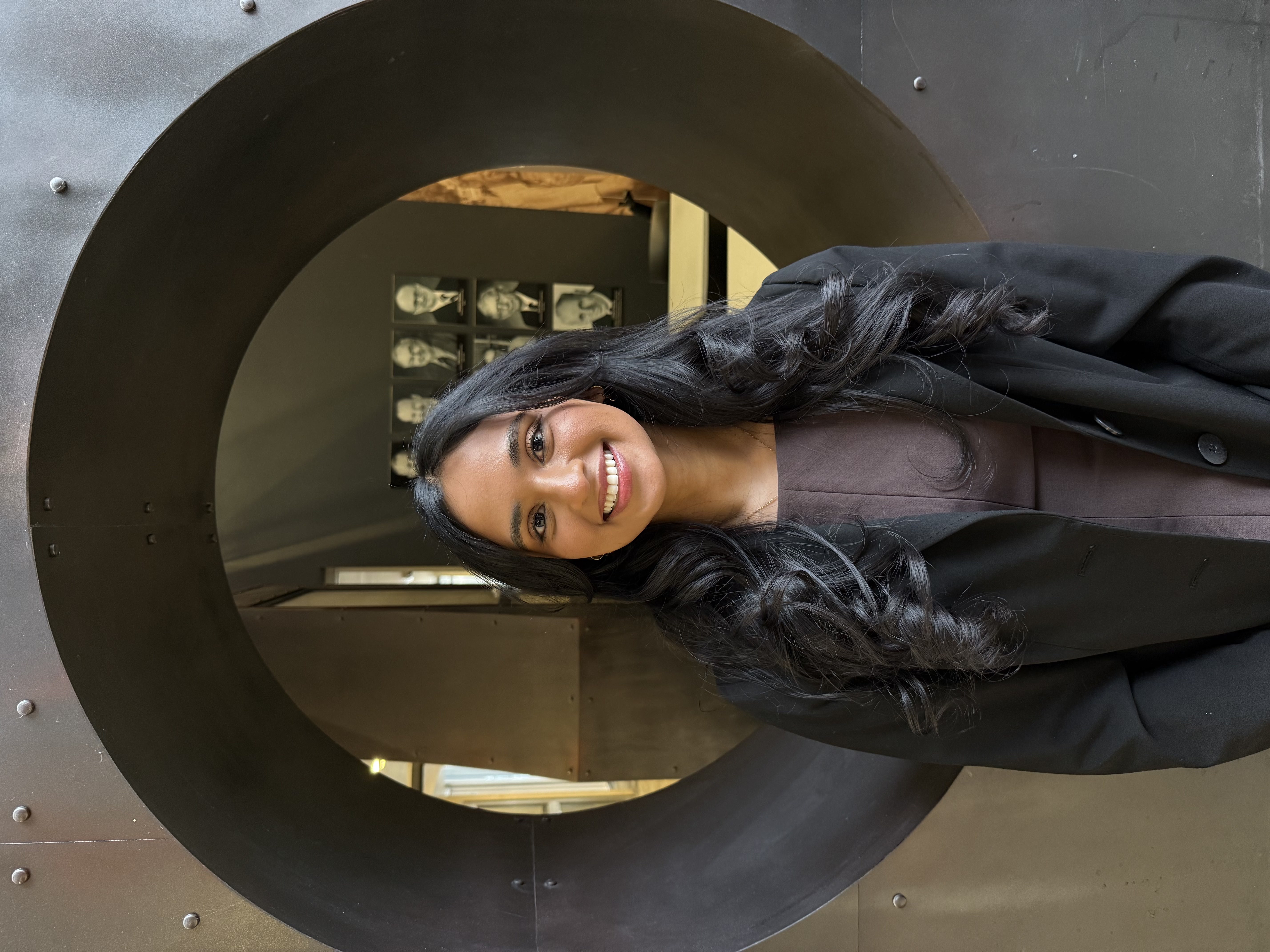
Aishwarya is a MASc student in Biomedical Engineering starting in Fall 2025. She recently completed her undergraduate degree in Biomedical Engineering at the University of Guelph. Her research interests focus on applying AI to develop and improve resources in medical diagnoses. Her current work involves collaborating with the Ontario Veterinary College (OVC) to develop a generative AI tool that assists veterinary radiologists in generating complete radiology reports. In the future, she hopes to apply AI and medical imaging technologies to real-world clinical and industry settings.

Current Research Project

There is an increasing demand for radiologists in veterinary medicine who can diagnose cases and write treatment reports. Currently, without enough radiologists, there are delays and more stress placed on the medical systems in use. To address the shortage of veterinary radiologists, this project aims to develop and validate a veterinary-specific generative AI model that can create high-quality radiology reports from medical findings. Using anonymized reports provided by the Ontario Veterinary College (OVC), a set of training and validation reports will be used to train various language models. The generated reports will be edited by a radiologist and then used to retrain the models. The model outputs will be evaluated using established language model metrics, with radiologist-written reports serving as the gold standard. New reports will be entered into the models, and an expert radiologist will compare the final AI-generated reports to radiologist-written reports in terms of quality and clinical relevance.

Pramit Dutta

Pramit Dutta

MASc Student

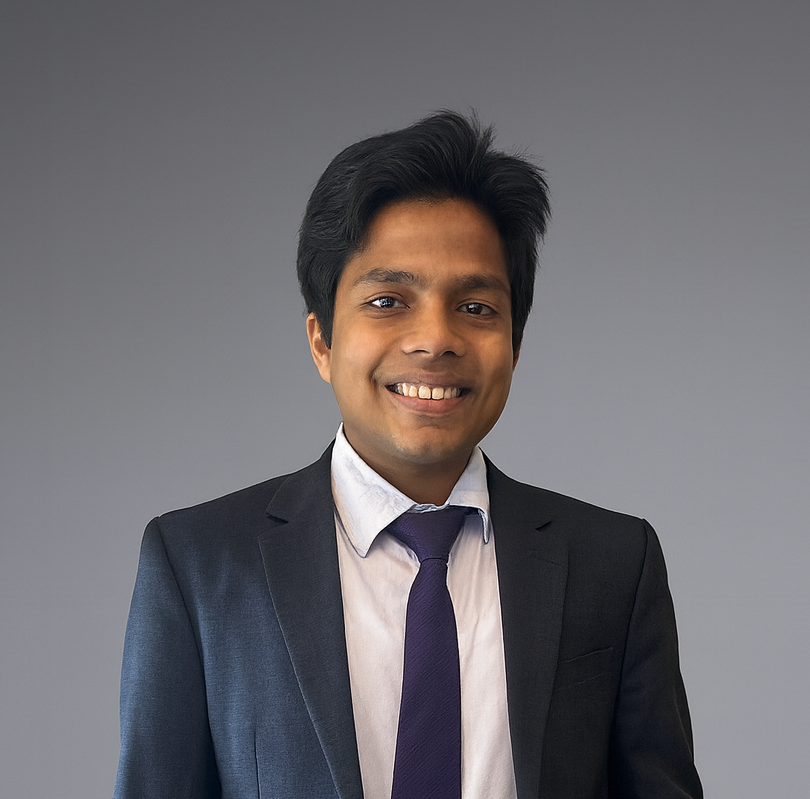
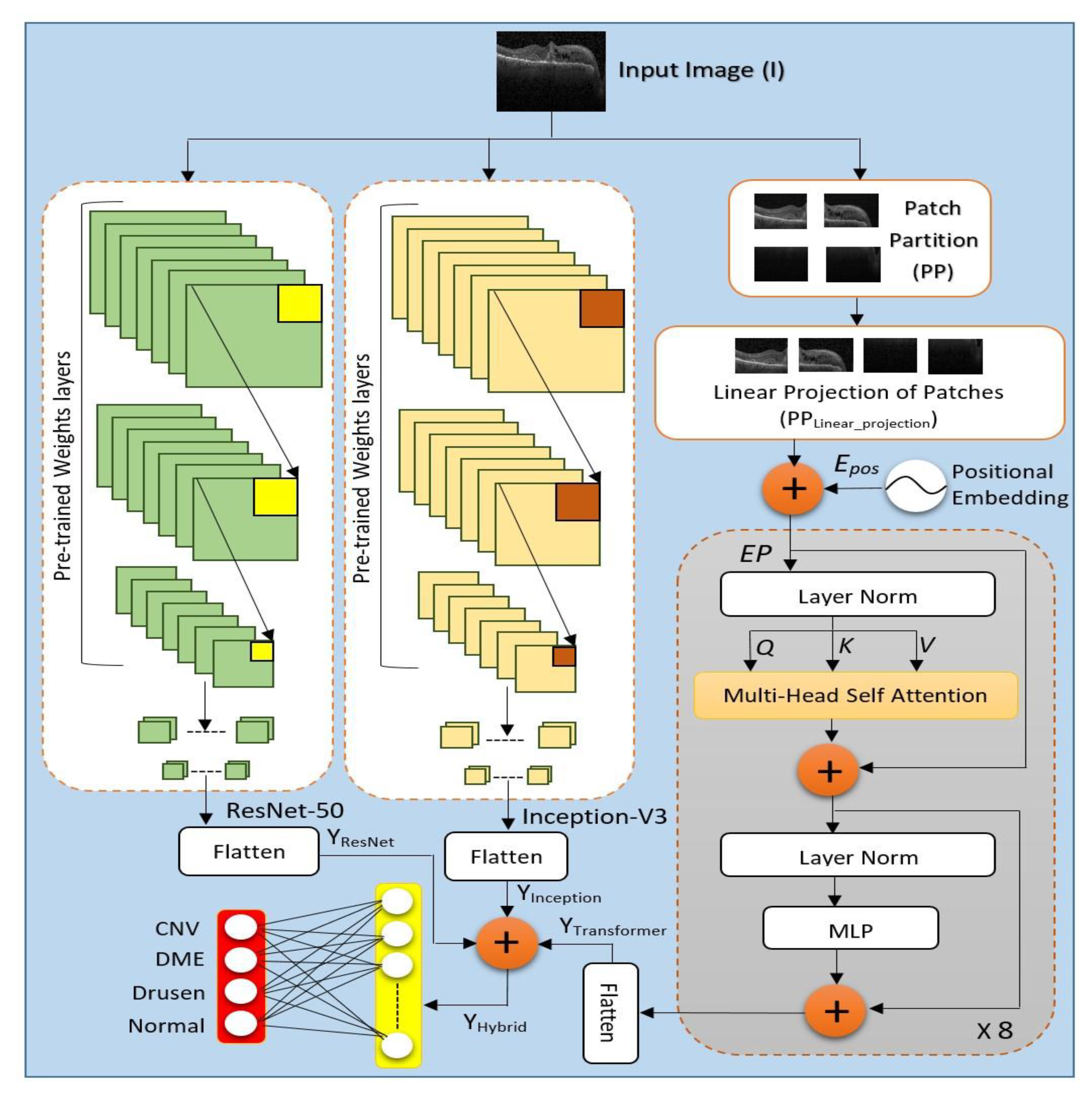
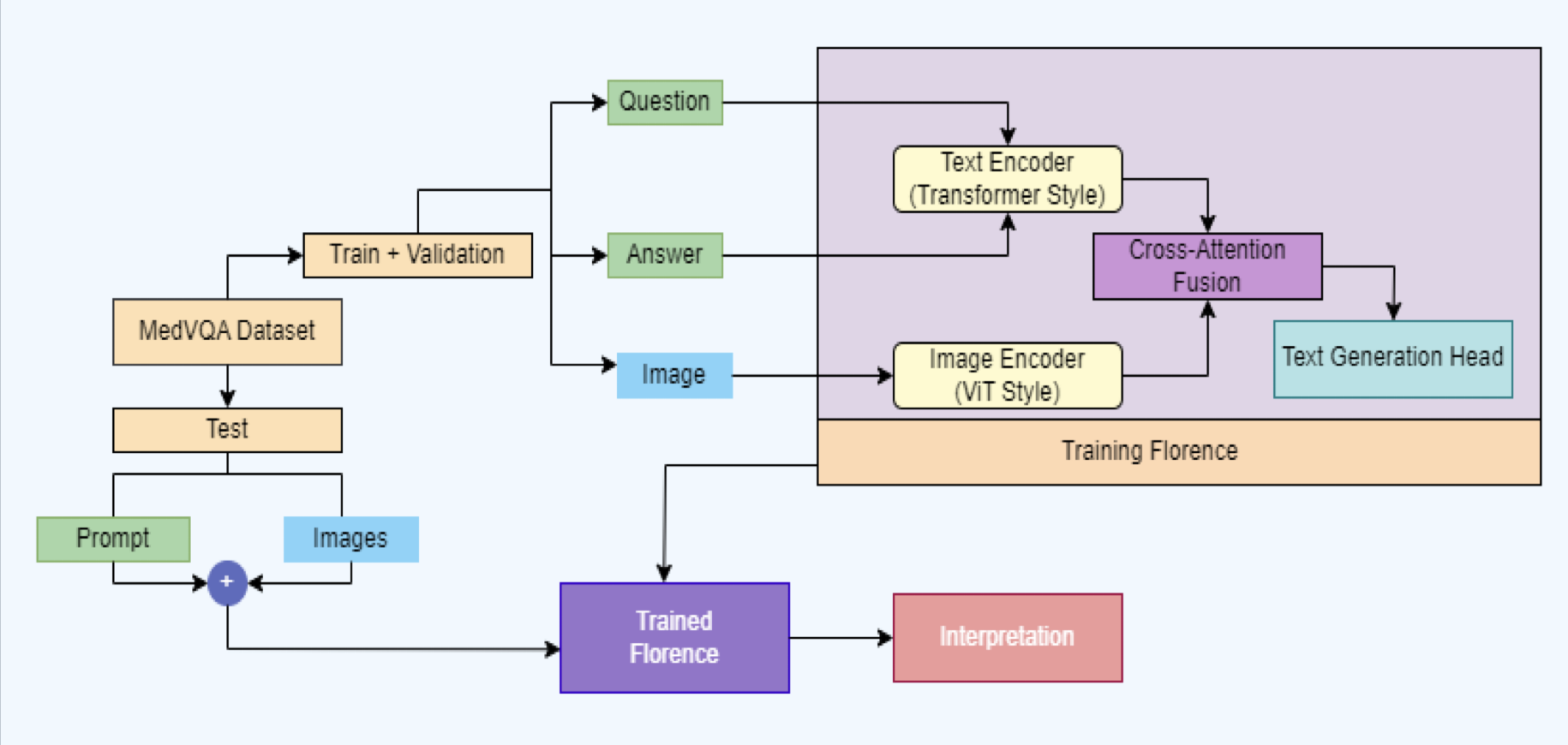
Pramit is a MASc student in Computer Engineering with a Specialization in Artificial Intelligence at the University of Guelph. He earned his B.Sc. in Electronics and Telecommunication Engineering from the Chittagong University of Engineering and Technology. His research interests center on multimodal and generative AI, with experience spanning hybrid feature extraction and self-supervised learning frameworks in medical imaging. Much of his work bridges the gap between algorithmic design and real-world clinical data, with the aim of developing systems that can assist in decision-making while minimizing reliance on labeled data. His research focuses on developing vision–language models (VLMs) for medical imaging. He explores how large pretrained models can be adapted to clinical data to improve interpretability and domain robustness, particularly through improved domain adaptation techniques that bridge the gap between general and medical datasets. He works on integrating visual features from CT scans with language-based clinical information to enhance diagnostic insight and support clinical decision-making.

Pramit's Research

Pramit Dutta research image 1
Pramit Dutta research image 2

Recent Graduates

Dr. Negin Piran Nanekaran

Dr. Negin Piran Nanekaran

Recent PhD Graduate

Negin recently completed her PhD in Biomedical Engineering at the University of Guelph under the supervision of Dr. Eran Ukwatta. Her research focused on the intersection of artificial intelligence, medical imaging, and predictive oncology—specifically how deep learning and federated learning can improve prostate cancer diagnosis and treatment planning. She is particularly interested in developing scalable, privacy-preserving AI frameworks that enable multi-institutional collaboration without compromising patient confidentiality. Beyond academia, after completing her PhD, Negin began working full-time on her applied AI and software development initiatives through her company, Moneli Automation. In this role, she leads the end-to-end design and deployment of intelligent automation systems for real-world organizations. She enjoys combining academic rigor with practical impact, using AI to solve challenges across healthcare and other domains. Outside of work, she spends most of her free time with her son, Liam, as they explore new and creative ways to learn together as a family.

PhD Research

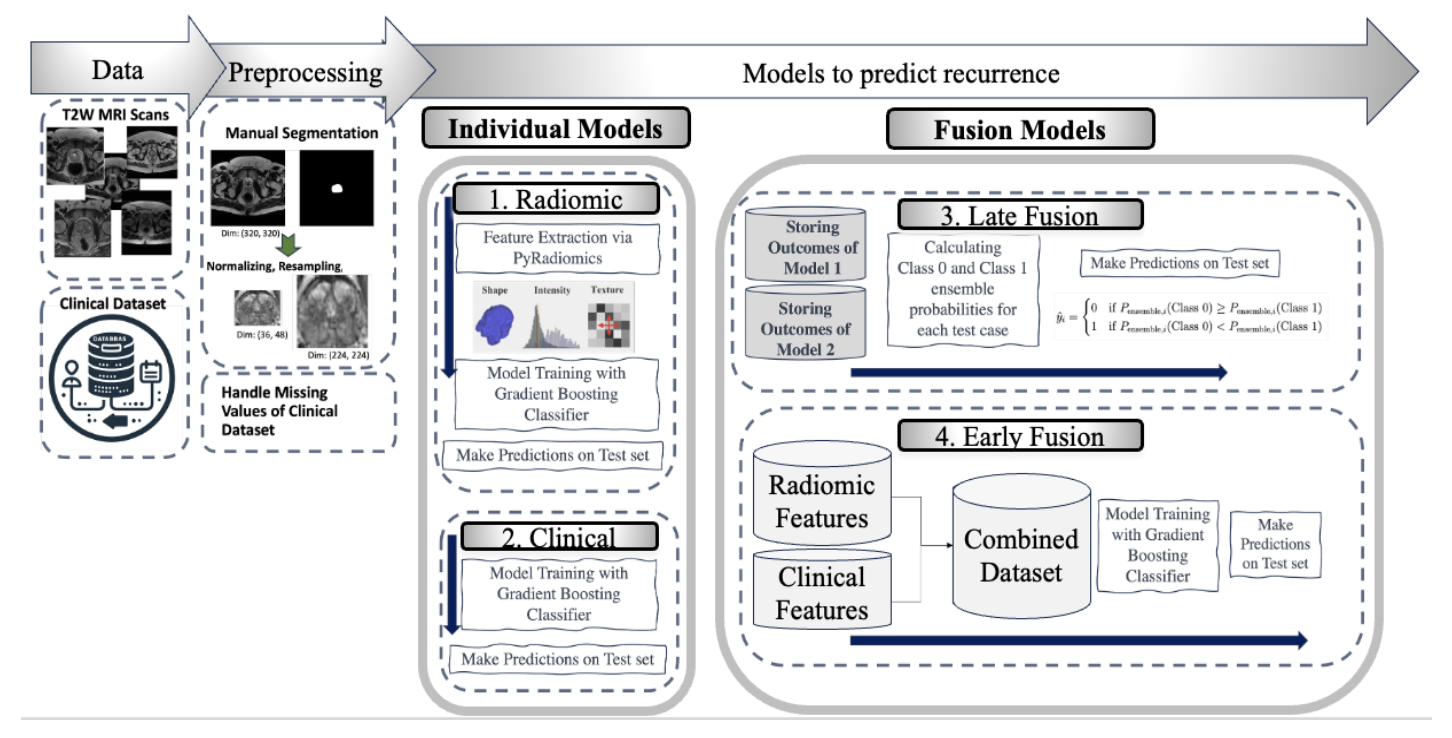
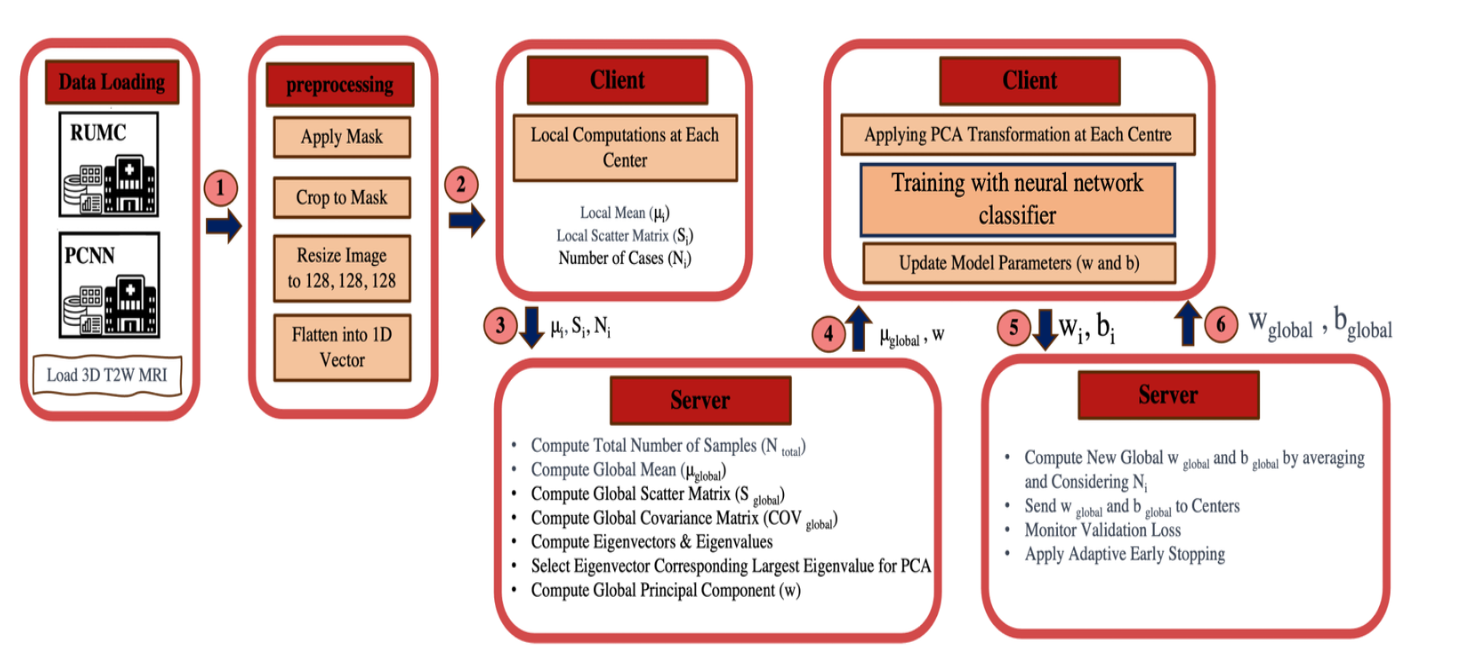
Negin’s doctoral research, titled Deep Learning and Federated Learning for Prostate Cancer Classification and Recurrence Prediction, addressed two critical challenges in predictive oncology and collaborative medical AI. The first component focused on developing deep learning models to predict 5-year biochemical recurrence in prostate cancer patients treated with radiotherapy. Using pre-treatment T2-weighted (T2W) MRI and clinical data from 150 patients at The Ottawa Hospital, she designed radiomic, clinical, and fusion-based models. The best-performing early-fusion model achieved an AUC of 0.84, demonstrating that combining clinical and imaging features improves prediction accuracy. The second component of the thesis introduces a novel Federated Learning (FL) framework for prostate MRI classification, addressing data-sharing restrictions and inter-center heterogeneity. The method integrates Federated Incremental PCA (FIPCA) with Adaptive Early Stopping (AES), enabling distributed training while maintaining privacy and reducing communication overhead. The impact of FIPCA on feature harmonization significantly reduced the relative distance between site centroids, demonstrating alignment across centers. Overall, her work advances privacy-preserving AI by providing an efficient and generalizable federated learning framework for multi-center medical imaging, enabling secure collaboration across healthcare institutions while reducing computational and communication costs.

Negin's Research

Dr. Negin Piran Nanekaran research image 1
Dr. Negin Piran Nanekaran research image 2

Alumni

Undergraduate Students

University of Guelph
National Institute of Technology, Tiruchirappalli
Indian Institute of Technology Kanpur

MEng Graduates